

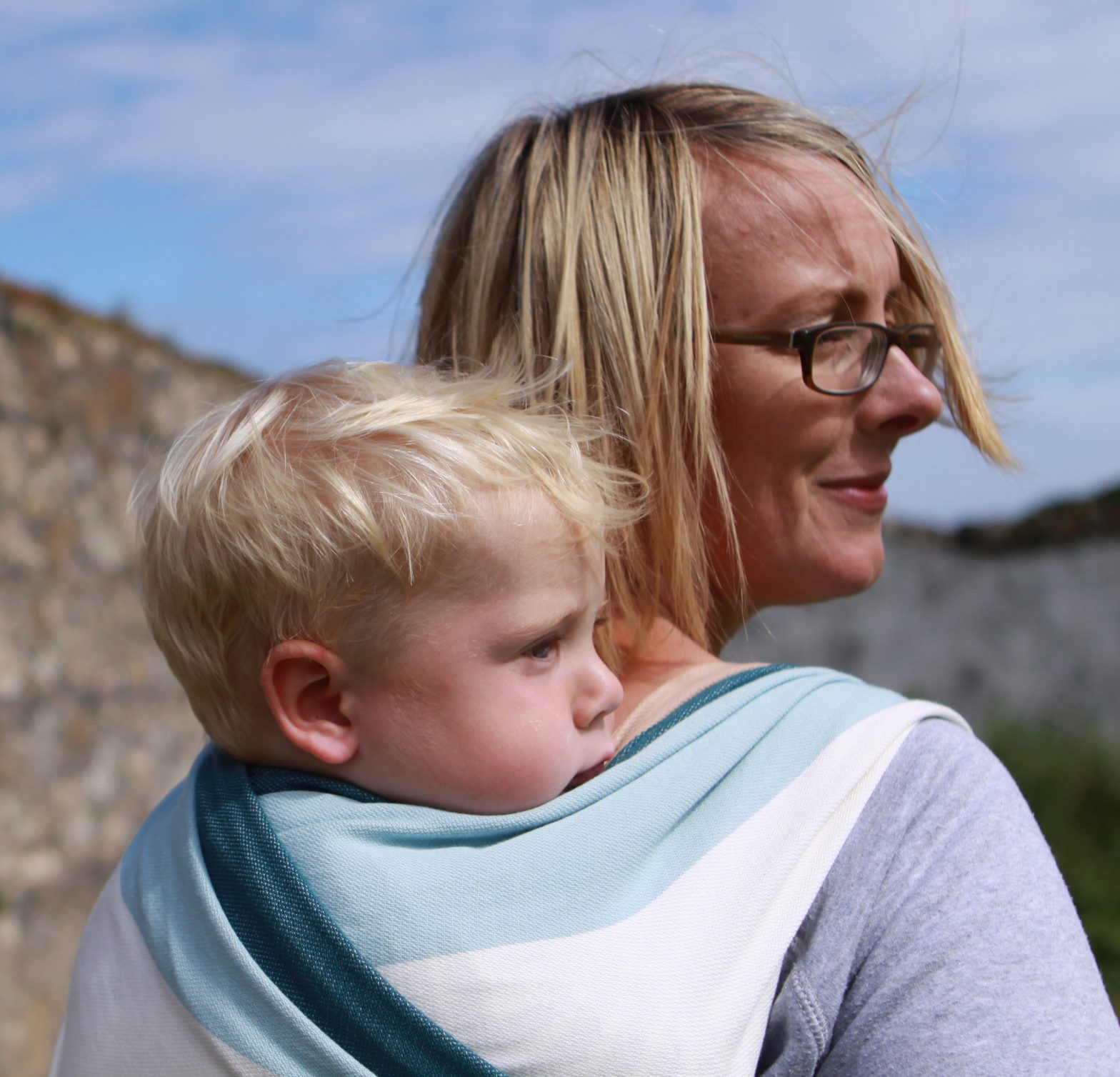
Many people carry for a variety of different reasons, and it’s normal from an evolutionary point of view for humans to carry their children. All cultures around the world have some form of carrying in them, many having their own styles and ways of carrying. In this blog, we collaborated with Zoë Woodman, from The Sling Consultancy, to share more information about the biology of infant carrying, how carrying helps infants develop, plus our top tips for choosing a sling/carrier. What is babywearing? Babywearing is simply the practice of carrying a baby or toddler in a carrier. Babywearing is the more popular term and is used more often than the word ‘carrying’, even though it is a much broader term. However, it is important to recognise that often we ‘carry’ infants much longer than just the ‘baby stage.’ Watch this video with Sling Consultant Zoë who shares her experience and why she has continued to use a carrier with her youngest son who is now 5 years of age. How to find the right carrier There is so much choice when it comes to choosing a carrier that’s right for your needs. A great place to start is to check out a sling library in your local area. What is a sling library? Like traditional (book) libraries and toy libraries, sling libraries’ main role is to loan out slings and carriers and to offer advice and information on babywearing. Each one is run by volunteers and they run in different ways, meeting anywhere from weekly to monthly in someone’s home, a children’s centre, a community venue, a play centre or a library. When at the sling library it’s helpful to try on different slings and carriers because we are all shaped differently; some people have shorter torsos, broader shoulders etc… and like trying on a pair of shoes you want to make sure it fits you perfectly so you feel comfortable. Carrier v Sling? It’s important to ensure your sling or carrier is well-fitted, and it’s sufficiently tightened. If the infant is slumping, you need to adjust the carrier or choose a different type of carrier. Below you will find different types of slings and carriers available. A wrap: A stretchy wrap is great for newborns, it’s a long piece of thin fabric that you tie it in a certain way, and the infant can slip in and out quite easily. This carrier supports skin-to-skin contact as the fabric is thin and due to its stretchy nature, it tends to fit all body types well. A buckle carrier: This is a square piece of fabric with buckles that can do up differently and they come in different sizes. Tie-on carrier: This is similar to the buckle carrier, it’s a square piece of fabric, but rather than buckling the fabric together, you “tie” this carrier together. Ring slings: A one-shoulder fabric carrier, with a ring you thread the fabric through. Frame back carrier: These carriers are metal carriers, and are typically used for an older infant as they don’t offer much support. Wrap carrier: This is a fabric carrier that is very flexible and it will always fit your body because you tie them yourself. There are ways and means of adjusting the carrier you currently have if you’re finding it uncomfortable. Sling Consultant Zoe speaks about the different ways you can use a carrier/sling to carry an infant to support their development. Benefits of babywearing There are so many benefits associated with babywearing, for both the infant and the carrier. Many people carry for a variety of different reasons, and it’s normal from an evolutionary point of view for humans to carry their children. All cultures around the world have some form of carrying in them, many having their own styles and ways of carrying. In this blog, we collaborated with Zoë Woodman, from The Sling Consultancy, to share more information about the biology of infant carrying, how carrying helps infants develop, plus our top tips for choosing a sling/carrier. What is babywearing? Babywearing is simply the practice of carrying a baby or toddler in a carrier. Babywearing is the more popular term and is used more often than the word ‘carrying’, even though it is a much broader term. However, it is important to recognise that often we ‘carry’ infants much longer than just the ‘baby stage.’ Watch this video with Sling Consultant Zoë who shares her experience and why she has continued to use a carrier with her youngest son who is now 5 years of age. How to find the right carrier There is so much choice when it comes to choosing a carrier that’s right for your needs. A great place to start is to check out a sling library in your local area. What is a sling library? Like traditional (book) libraries and toy libraries, sling libraries’ main role is to loan out slings and carriers and to offer advice and information on babywearing. Each one is run by volunteers and they run in different ways, meeting anywhere from weekly to monthly in someone’s home, a children’s centre, a community venue, a play centre or a library. When at the sling library it’s helpful to try on different slings and carriers because we are all shaped differently; some people have shorter torsos, broader shoulders etc… and like trying on a pair of shoes you want to make sure it fits you perfectly so you feel comfortable. Carrier v Sling? It’s important to ensure your sling or carrier is well-fitted, and it’s sufficiently tightened. If the infant is slumping, you need to adjust the carrier or choose a different type of carrier. Below you will find different types of slings and carriers available. A wrap: A stretchy wrap is great for newborns, it’s a long piece of thin fabric that you tie it in a certain way, and the infant can slip in and out quite easily. This… Continue reading Guide to Babywearing – Benefits, Tips, Research and How to Do it Safely