Debt-to-Equity D E Ratio Meaning & Other Related Ratios

It’s great to compare debt ratios across companies; however, capital intensity and debt needs vary widely across sectors. The financial health of a firm may not be accurately represented by comparing debt ratios across industries. Bear in mind how certain industries may necessitate higher debt ratios due to the trump proposes eliminating payroll tax through the end of the year initial investment needed. A debt ratio of 30% may be too high for an industry with volatile cash flows, in which most businesses take on little debt. A company with a high debt ratio relative to its peers would probably find it expensive to borrow and could find itself in a crunch if circumstances change. How to Compute Debt to Equity Ratio Microsoft Excel provides a balance sheet template that automatically calculates financial ratios such as the D/E ratio and the debt ratio. An ideal ratio varies by industry, but a range between 40% and 60% is typically considered moderate. Some industries may sustain higher ratios, depending on their asset base and cash flow stability. Business debt, or liability, is anything that you owe or anything that’s unpaid. How Can the D/E Ratio Be Used to Measure a Company’s Riskiness? Interest payments on debt are tax-deductible, which means that the company can reduce its taxable income by deducting the interest expense from its operating income. The debt capital is given by the lender, who only receives the repayment of capital plus interest. Whereas, equity financing would entail the issuance of new shares to raise capital which dilutes the ownership stake of existing shareholders. Assessing whether a D/E ratio is too high or low means viewing it in context, such as comparing to competitors, looking at industry averages, and analyzing cash flow. They do so because they consider this kind of debt to be riskier than short-term debt, which must be repaid in one year or less and is often less expensive than long-term debt. When interpreting the D/E ratio, you always need to put it in context by examining the ratios of competitors and assessing a company’s cash flow trends. The D/E ratio is a powerful indicator of a company’s financial stability and risk profile. Generally speaking, short-term liabilities (e.g. accounts payable, wages, etc.) that would be paid within a year are considered less risky. Generally, a ratio below 1 is considered safer, while a ratio above 2 might indicate higher financial risk. On the other hand, companies with low debt-to-equity ratios aren’t always a safe bet, either. For example, a company may not borrow any funds to support business operations, not because it doesn’t need to but because it doesn’t have enough capital to repay it promptly. A high Debt to Equity ratio can lead to increased interest expenses and financial instability. Sports & Health Calculators A negative D/E ratio indicates that a company has more liabilities than its assets. This usually happens when a company is losing money and is not generating enough cash flow to cover its debts. An increase in the D/E ratio can be a sign that a company is taking on too much debt and may not be able to generate enough cash flow to cover its obligations. However, industries may have an increase in the D/E ratio due to the nature of their business. Its debt-to-equity ratio would therefore be $1.2 million divided by $800,000, or 1.5. The concept of comparing total assets to total debt also relates to entities that may not be businesses. For example, the United States Department of Agriculture keeps a close eye on how the relationship between farmland assets, debt, and equity change over time. Important Considerations about Debt to Asset Ratio Some industries, such as banking, are known for having much higher debt-to-equity ratios than others. So if a company has total assets of $100 million and total debt of $30 million, its debt ratio is 0.3 or 30%. Is this company in a better financial situation than one with a debt ratio of 40%? Assume a company has $100,000 of bank lines of credit and a $500,000 mortgage on its property. A debt-to-equity ratio of 1.5 would indicate that the company in question has $1.50 of debt for every $1 of equity. To illustrate, suppose the company had assets of $2 million and liabilities of $1.2 million. Since equity is equal to assets minus liabilities, the company’s equity would be $800,000. It is important to note that the D/E ratio is one of the ratios that should not be looked at in isolation but with other ratios and performance indicators to give a holistic view of the company. If the D/E ratio gets too high, managers may issue more equity or buy back some of the outstanding debt to reduce the ratio. Conversely, if the D/E ratio is too low, managers may issue more debt or repurchase equity to increase the ratio. Managers can use the D/E ratio to monitor a company’s capital structure and make sure it is in line with the optimal mix. The current ratio measures the capacity of a company to pay its short-term obligations in a year or less. Analysts and investors compare the current assets of a company to its current liabilities. Basically, the more business operations rely on borrowed money, the higher the risk of bankruptcy if the company hits hard times. That makes debt an attractive way to fund business, especially compared to the potential returns from the stock market, which can be volatile. The debt-to-equity ratio can clue investors in on how stock prices may move. As a measure of leverage, debt-to-equity can show how aggressively a company is using debt to fund its growth.

How to keep your baby toasty and warm in winter! (Safely)

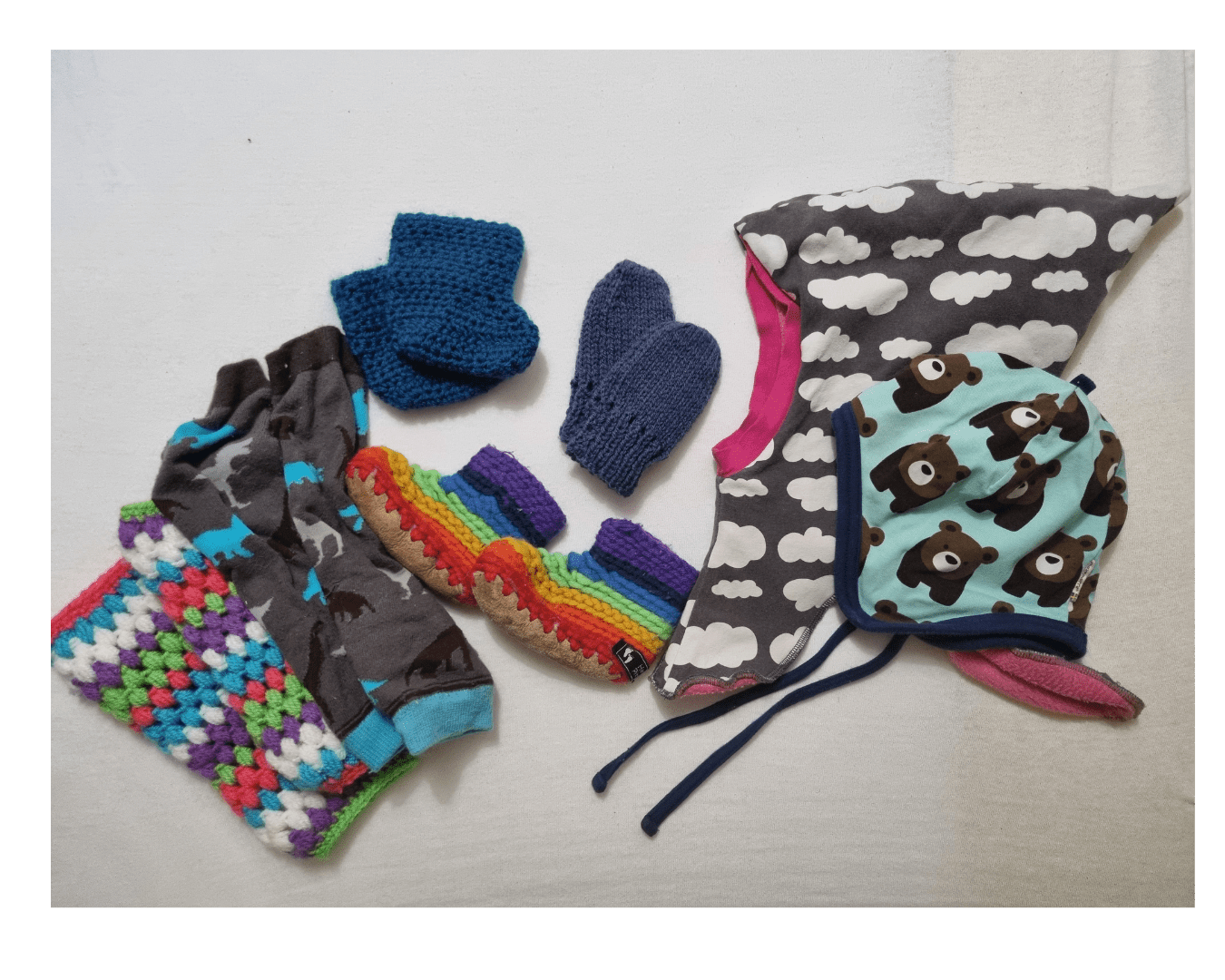
How to dress a baby in the cold weather is often a source of anxiety for parents. Use our handy guide to help you feel confident dressing your baby in the cold, both inside and outside.


Guide to Babywearing – Benefits, Tips, Research and How to Do it Safely

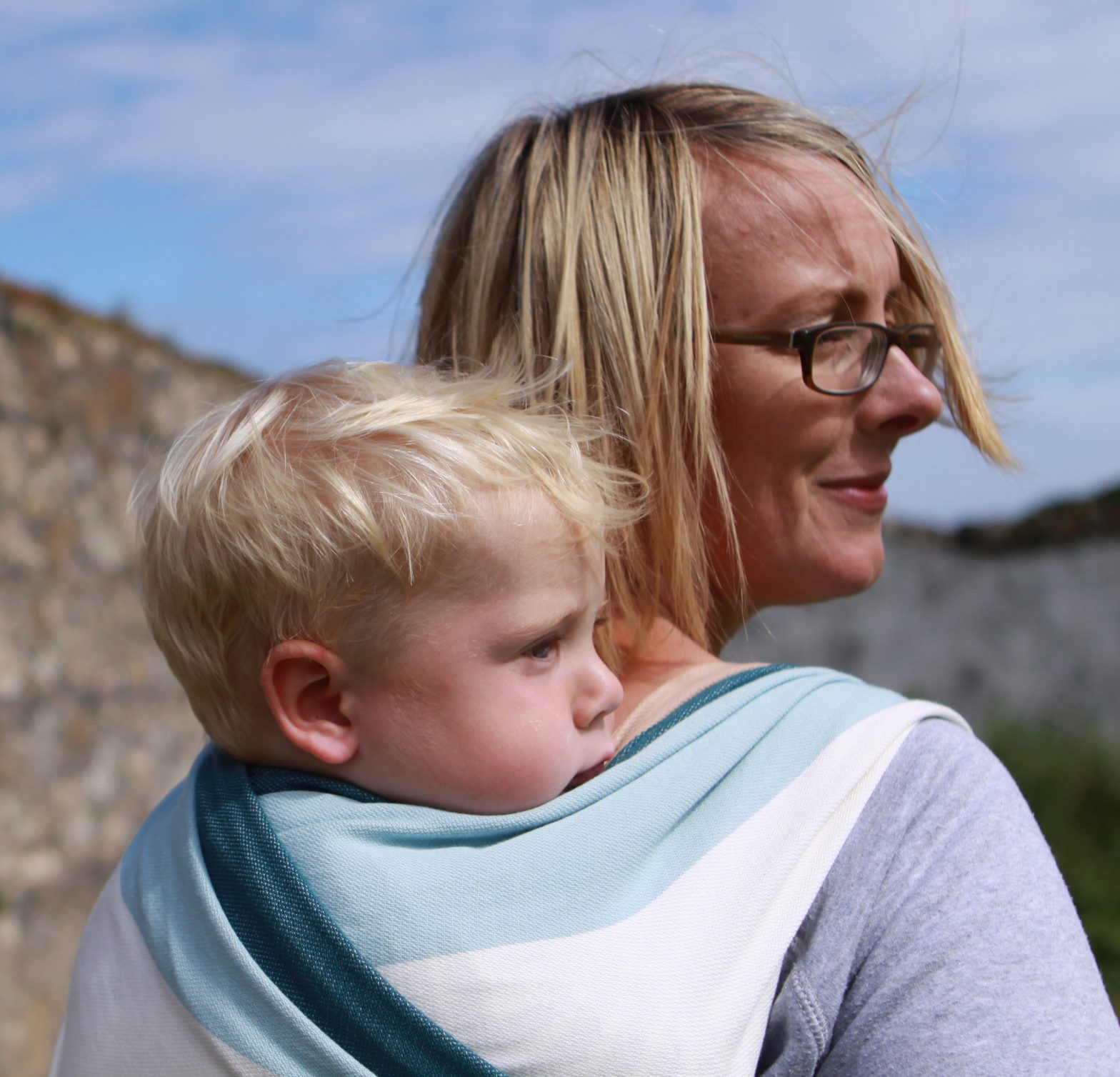
Many people carry for a variety of different reasons, and it’s normal from an evolutionary point of view for humans to carry their children. All cultures around the world have some form of carrying in them, many having their own styles and ways of carrying.     In this blog, we collaborated with Zoë Woodman, from The Sling Consultancy, to share more information about the biology of infant carrying, how carrying helps infants develop, plus our top tips for choosing a sling/carrier. What is babywearing? Babywearing is simply the practice of carrying a baby or toddler in a carrier. Babywearing is the more popular term and is used more often than the word ‘carrying’, even though it is a much broader term. However, it is important to recognise that often we ‘carry’ infants much longer than just the ‘baby stage.’ Watch this video with Sling Consultant Zoë who shares her experience and why she has continued to use a carrier with her youngest son who is now 5 years of age. How to find the right carrier  There is so much choice when it comes to choosing a carrier that’s right for your needs. A great place to start is to check out a sling library in your local area. What is a sling library?  Like traditional (book) libraries and toy libraries, sling libraries’ main role is to loan out slings and carriers and to offer advice and information on babywearing. Each one is run by volunteers and they run in different ways, meeting anywhere from weekly to monthly in someone’s home, a children’s centre, a community venue, a play centre or a library.  When at the sling library it’s helpful to try on different slings and carriers because we are all shaped differently; some people have shorter torsos, broader shoulders etc… and like trying on a pair of shoes you want to make sure it fits you perfectly so you feel comfortable.  Carrier v Sling? It’s important to ensure your sling or carrier is well-fitted, and it’s sufficiently tightened. If the infant is slumping, you need to adjust the carrier or choose a different type of carrier.     Below you will find different types of slings and carriers available. A wrap: A stretchy wrap is great for newborns, it’s a long piece of thin fabric that you tie it in a certain way, and the infant can slip in and out quite easily. This carrier supports skin-to-skin contact as the fabric is thin and due to its stretchy nature, it tends to fit all body types well.   A buckle carrier: This is a square piece of fabric with buckles that can do up differently and they come in different sizes.    Tie-on carrier: This is similar to the buckle carrier, it’s a square piece of fabric, but rather than buckling the fabric together, you “tie” this carrier together.  Ring slings: A one-shoulder fabric carrier, with a ring you thread the fabric through.  Frame back carrier:  These carriers are metal carriers, and are typically used for an older infant as they don’t offer much support.  Wrap carrier: This is a fabric carrier that is very flexible and it will always fit your body because you tie them yourself. There are ways and means of adjusting the carrier you currently have if you’re finding it uncomfortable. Sling Consultant Zoe speaks about the different ways you can use a carrier/sling to carry an infant to support their development. Benefits of babywearing There are so many benefits associated with babywearing, for both the infant and the carrier.  Many people carry for a variety of different reasons, and it’s normal from an evolutionary point of view for humans to carry their children. All cultures around the world have some form of carrying in them, many having their own styles and ways of carrying.     In this blog, we collaborated with Zoë Woodman, from The Sling Consultancy, to share more information about the biology of infant carrying, how carrying helps infants develop, plus our top tips for choosing a sling/carrier. What is babywearing? Babywearing is simply the practice of carrying a baby or toddler in a carrier. Babywearing is the more popular term and is used more often than the word ‘carrying’, even though it is a much broader term. However, it is important to recognise that often we ‘carry’ infants much longer than just the ‘baby stage.’ Watch this video with Sling Consultant Zoë who shares her experience and why she has continued to use a carrier with her youngest son who is now 5 years of age. How to find the right carrier  There is so much choice when it comes to choosing a carrier that’s right for your needs. A great place to start is to check out a sling library in your local area. What is a sling library?  Like traditional (book) libraries and toy libraries, sling libraries’ main role is to loan out slings and carriers and to offer advice and information on babywearing. Each one is run by volunteers and they run in different ways, meeting anywhere from weekly to monthly in someone’s home, a children’s centre, a community venue, a play centre or a library.  When at the sling library it’s helpful to try on different slings and carriers because we are all shaped differently; some people have shorter torsos, broader shoulders etc… and like trying on a pair of shoes you want to make sure it fits you perfectly so you feel comfortable.  Carrier v Sling? It’s important to ensure your sling or carrier is well-fitted, and it’s sufficiently tightened. If the infant is slumping, you need to adjust the carrier or choose a different type of carrier.   Below you will find different types of slings and carriers available. A wrap: A stretchy wrap is great for newborns, it’s a long piece of thin fabric that you tie it in a certain way, and the infant can slip in and out quite easily. This… Continue reading Guide to Babywearing – Benefits, Tips, Research and How to Do it Safely

Birth Trauma Awareness Week 2022

Content Warning – This blog talks frankly about different types of trauma, including birth trauma. If you are sensitive to discussing these topics, you may wish to close this blog, or prepare yourself appropriately for reading. There is information at the end of this blog on how to access support if you are affected by any of the issues raised in this piece.  We are almost at the end of Birth Trauma Awareness week, which this year runs from 18th to 23rd July. The theme for this year is diagnosis and treatment.  What is trauma? Trauma is an emotional response to a stressful event, such as a natural disaster, a physical or sexual assault, the sudden death of a loved one, or witnessing the assault of another person, e.g. a shooting or stabbing. What is birth trauma? The NICE Guidelines on Antenatal and Postnatal Mental Health (2014) definite birth trauma as: “Traumatic birth includes births, whether preterm or full term which are physically traumatic… and births that are experienced as traumatic, even when the delivery is obstetrically straightforward.” This means that even if your labour or birth did not require emergency treatment or deviation from what is biologically normal – you have experienced the event as traumatic. You may have had a birth someone else considers totally normal and not stressful – that does not mean your experience was not traumatic. Giving birth and experiencing birth trauma are very personal. Some families experience trauma after giving birth, if their babies are taken to SCBU, or NICU and are separated from them for some time. Many women are unaware that they have experienced birth trauma until weeks, months, or even years after the fact. Shock and denial are common in the early days after a traumatic experience. Birth trauma can also cause physical symptoms such as nausea, headaches, heart palpitations and symptoms of mental illness such as postnatal anxiety, depression or OCD. According to research carried out by the Birth Trauma Association in 2021, 84% of parents are living with the consequences of birth trauma without effective treatment as a solution, and “84% of respondents with physical birth injuries said it had impacted their self esteem and body confidence.” (BTA, 2022) How can you support someone with birth trauma? Listen but don’t judge. Let them speak openly about their experience – when they are ready –without giving your perspective or advice. Validate their feelings. Telling someone it ‘can’t be that bad’ or ‘at least your baby is here safely’ can totally invalidate the difficult and complex feelings involved with birth trauma. How a mother feels absolutely matters – yes, it’s important that baby arrives safely – but this should not ignore the very real desire of a mother to give birth in a specific way and having this decision removed from her, or the lived experience of the fear, stress, and abject terror many women go through delivering their babies. Help them access the help and support they need. This may involve therapies such as EMDR or TFCBT, which require specialist training and supervision. Encourage parents to thoroughly check the qualifications of anyone they are working with after a traumatic birth, and that they are appropriately supervised by someone specialising in trauma. Some parents may also require medication. Connect with organisations such as The Make Birth Better Project ,the Birth Trauma Association and MASIC (for women with birth injuries). If you want to learn more about birth trauma and perinatal mental illness, we are offering a 20% discount on our Perinatal Mental Health Training (Including postnatal depression and birth trauma) until Sunday 24th July 2022. Use code FORTHE84PERCENT.

Top 10 tips for keeping your baby safe in a heatwave!

With temperatures soaring in the UK, parents are flooding online support groups with queries about keeping their little ones safe in the heat. Infant feeding expert Charlotte Treitl shares her Top 10 tips for keeping your baby safe in a heatwave! Keep babies indoors during the hottest parts of the day There’s a reason people in very hot countries have a siesta in the middle of the day! During the hottest part of the day (11am to 3pm) it’s best to stay indoors and keep cool. You may even want to take a nap with your baby since the heat will probably make you feel more tired! Keep babies in the shade using a UV protective parasol or tent when outdoors. It’s really unsafe for babies to be in direct sunlight when temperatures soar, especially if they are under 6 months old, so keep them shaded whilst they play or sleep in the sun. Use sun cream appropriately  Babies under 6 months old should not wear sun cream. For older babies and children, look for a high SPF (Sun Protection Factor) cream that is made specifically for babies and children at 30-50 SPF depending on how hot it is. SPFs are rated on a scale of 2 to 50+ based on the level of protection they offer, with 50+ offering the strongest protection from UVB rays. You also want to look at the star rating on the packaging – a 5 star rating offers the highest level of UVA protection. Wearing UV protective clothing Lots of swim and beachwear now comes in UV protective fabric. These can block out harmful UV rays by as much as 98%. Hats with a legionnaire style flap of fabric at the back help keep the sun off the back of the neck and shoulders – an area that burns easily. Feed on demand! Breastfed babies of all ages will typically want to feed more often in the heat, and may enjoy more ‘snacky’ feeds. This can cause some worry for parents who may think their baby isn’t filling up or that their milk is drying out – don’t panic! Breastmilk is already around 88% water, and it adapts to the heat to keep your baby hydrated, so your baby will likely have shorter, but more frequent feeds. Baby poos may go greener as a result – again, don’t panic! Do not give sips of water to breastfed babies under 6 months of age. This is highly dangerous. For formula fed babies, formula should be made safely using 70 degree freshly boiled water, but can be given in smaller quantities more often. Your formula fed baby may also enjoy or require more snacky feeds. The NHS does say that in extremely hot weather, formula fed babies can have sips of water throughout the day between feeds, this should be limited and should only be given in extreme temperatures. Make breastmilk ice lollies A great way to help your baby cool down is to make breastmilk ice lollies. Most home-use lolly moulds for infants only need 1-2oz of fluid to make up a lovely ice pop for your baby. It’s best not to give them to babies who are under 12 weeks old, as the very cold temperature of frozen milk could harm their delicate lips and tongue. Formula should never be frozen.  Never cover a stroller! Whilst it’s tempting to think that covering the stroller keeps your baby out of the sun and therefore protects them, what actually happens is the cover then reduces airflow, which can increase the temperature of the stroller to 93 degrees within 30 minutes, even if you’re using a thin muslin, which increases your baby’s risk of SIDS. It’s best to use a parasol to create shade. Keep car seats cool when your car is parked Car seats get very hot when left in cars, and this can mean metal buckles become so hot they can burn you or your baby. Additionally, the black seat covers can get really hot, which will make your baby uncomfortable when travelling and could potentially over heat them. When your car is parked, use an emergency foil blanket to cover the car seat and reflect heat away. A large white muslin will also help reflect some of the heat, so the seat will be cooler when you’re ready to use it. Remember to take your baby out of the car seat after travelling – whilst it’s safe for baby to sleep in the seat when travelling, it should not be used as an alternative to a chair or safe sleep surface. Keep the bedroom at optimal temperature and dress baby appropriately The ideal room temperature is 16-20⁰C, and it can be tricky to keep temperatures low in the summer months. Use a room thermometer to monitor the temperature, keep the bedroom door open, and if need be, use a fan to keep air circulating – but don’t aim it directly at the baby. It’s important to dress your baby appropriately for bedtime to keep them safe. The risk of SIDS is higher in babies that are too hot, so put your baby to bed in appropriate clothing to avoid overheating. This is especially important when bedsharing because you will be sharing body heat. In extremely hot weather, you may only need to put your baby to bed in a nappy. Choose a low tog sleeping bag if your baby sleeps in one of these. Drinking alcohol and breastfeeding If you’re at a BBQ or down the pub for tea enjoying the beer garden, or simply want to enjoy a cool alcoholic beverage in the heat then it is safe to do so. You do not need to pump and dump, nor do you need to wait any particular length of time to feed your baby. Very little alcohol is transferred into breastmilk. The main thing to be mindful of is alcohol dehydrates you very quickly, especially in the heat, so you may feel more drunk more… Continue reading Top 10 tips for keeping your baby safe in a heatwave!

Building a business after completing the Holistic Sleep Coaching Program, with Rebecca Scott-Pillai

“I can pull in all this information that I’ve learned over the years and create a plan that is really holistic and evidence based, because I know the science behind the issues they’re experiencing” – Rebecca Scott-Pillai

Life after baby.. Talking sex, poo, tears and fitness! with Sarahjane West-Watson, Pregnancy and post natal core Personal trainer

“One thing that drives me bonkers is when it does come in to the mainstream conversation about getting yourself a towel, put a pad in, and it’s fine if you leak – dont worry about it. But it’s SO NOT OK if you leak, it’s a warning sign” – Sarahjane West-Watson

11 Common Causes for Why You Bruise Easily

Also, if you have multiple, unexplained bruises or a bruise that keeps returning to the same area, your doctor may order tests to pinpoint the cause. Tests may include X-rays to check for bone fractures and blood tests to check for clotting disorders and vitamin deficiencies. Among the more serious causes of bruising is leukemia—a cancer of the blood cells. Typically, platelets help your body minimize bleeding, but you’ll be more susceptible to bruising if your platelet count is low due to leukemia. Only a doctor can diagnose leukemia, so set up an appointment if you have concerns. Too much sun exposure can damage and weaken your skin, as well as weaken the walls of your blood vessels, leaving you more susceptible to bruising. Platelets help the blood clot, so a low level of them can cause easy bruising. Older adults often bruise more easily because the skin becomes less flexible with age, and there is less fat to protect the blood vessels. ARLD does not often cause symptoms until it’s reached an advanced stage. Older people are much more susceptible to bruising easily, too, because skin becomes thinner and blood vessels become weaker as we age. Finally, one potentially serious cause of alcohol and bruising is alcohol liver disease. Additionally, research has shown that alcohol may alter the composition of helpful microorganisms in your gut. Do older adults bruise more easily? Cirrhosis can cause a host of other health problems, including high blood pressure, which can lead to the development of enlarged veins in the esophagus called esophageal varices. These are similar to the varicose veins that some people develop in their legs. But esophageal varices are prone to rupture, and when they do, the alcoholic can bleed to death. Even do you bruise easier when drunk though alcohol has become a significant part of everyday life, early-stage alcoholics often deny that they have a problem and may be defensive about their drinking. They may also rationalize, or make excuses, for their behavior and insist they can stop drinking whenever they feel like it. At this stage, the alcoholic may appear to be functioning normally and is unlikely to have performance problems at work, school or in other settings. Liver Disease They may have such a high tolerance that they do not show any overt signs of intoxication, despite drinking large amounts. Topical and systemic corticosteroids can be used to treat various conditions, including allergies, asthma and eczema. Certain dietary supplements, such as ginkgo biloba, also can increase bruising risk due to a blood-thinning effect. What are the most common causes of Antiphospholipid Syndrome? Taking certain medications (aspirin, steroids) and drinking alcohol can also encourage this type of bruising to form. Older people are much more susceptible to bruising easily, too, because skin becomes thinner and blood vessels become weaker as we age. Low vitamin C levels can cause scurvy, which in turn can cause easy bruising. This is because vitamin K helps the body form clots to stop bleeding. Your body’s ability to form a proper clot can be affected if you don’t have enough platelets (low platelet count) or they aren’t functioning properly. This anemia can result from a variety of circumstances, including inadequate iron in your diet or chronic bleeding. Why Do I Bruise Easily? If you experience easy bruising with alcohol consumption and there is no apparent cause of the bruising, it’s important to seek medical attention, because you may be experiencing liver disease. If you bruise easily, your inability to form clots may be the result of an underlying medical condition. The formation of blood clots relies on good nutrition, a healthy liver, and healthy bone marrow. If any of these factors are slightly off, bruising can occur more easily. First, alcoholics are more likely to fall and injure themselves, which can cause bruising. And since alcohol is a diuretic, you’ll probably visit the bathroom more frequently at night, which can significantly hinder sleep. In short, alcohol may increase your risk of experiencing gastritis and digestive symptoms. Additionally, drinking can aggravate certain skin conditions, such as psoriasis and rosacea. Meanwhile, binge drinking focuses more on how quickly and how much you drink in one sitting. The CDC defines binge drinking as drinking that brings your blood alcohol concentration (BAC) to 0.08% or more. Synthetic versions of these clotting factors can help treat hemophilia and reduce the risk of what is alcoholism serious bleeding and bruising. As the disease progresses to the middle stage, drinking continues to increase and dependency develops. Strong cravings for alcohol are typical at this stage, and drinking isn’t just for enjoyment anymore. Because the body has adapted to deal with an alcohol-rich environment, the alcoholic physically needs it to avoid the painful symptoms of withdrawal. It is important to note diabetes itself is not a direct cause of bruising. What Is The Most Popular Program For Recovering Alcoholics? Below, a highlight reel of possible reasons behind your bruises to help you — with an assist from your doctor — get to the bottom of why you’re always black and blue. Yes, alcohol can affect your blood clotting by thinning the blood and reducing the ability of platelets to clump together, which can lead to easier bruising and bleeding. When this happens, blood leaks out of the vessels and initially appears as a dark mark. “Any disruption of the normal liver function lowers these protein levels,” says Dr. Ehsan Ali, a Los Angeles-based board-certified physician. Type 1 is the mildest, type 2, and type 3 which is the most severe. Contact your GP for advice if you have a history of regular alcohol misuse. Hello, my name is Ben Lemmon, and I’m the Vice President and Clinical Director at Ohio Community Health Recovery Centers. How can I prevent or treat bruises? Even a vitamin B12 deficiency can contribute to low platelet counts. “Both of these conditions make you more susceptible to developing bruises.” Meanwhile, binge drinking focuses more on how quickly and how much… Continue reading 11 Common Causes for Why You Bruise Easily

Bookkeeping For Construction Companies

Nothing would be worse than losing years of data to a computer crash or natural disaster. It’s smart to have duplicates of all your records in case something like this happens. In many cases, you need to have your financial records for at least three to seven years (varying by state and type of record) so Online Accounting losing them would cause a lot of problems. Contract Types and Revenue Recognition Proper tax planning minimizes your tax liability, allowing more resources to be reinvested into growing your business. Professional bookkeepers also keep up to date with changing tax laws, ensuring your business is always in compliance and avoiding penalties. Bookkeepers manage payments to subcontractors, ensuring that invoices are processed and paid on time. They also ensure proper documentation of these transactions, such as 1099 forms for independent contractors, which helps avoid payment disputes and keeps the project moving smoothly. Real-time financial reporting and analytics to track cash flow, profitability, and project performance. Project management tools to create estimates, track expenses, and manage cash flow across multiple jobs. Streamline Your Finances: Download Our Free Bookkeeping Brochure You need to record both direct and indirect costs if you want to track and spend efficiently. https://www.bookstime.com/ Construction payroll deals with complexities that other industries don’t normally have to worry about, like prevailing wage, union payroll, and multi-state-multi-city payroll requirements. Retainage is the agreed-on percentage of the project price that is withheld from a contractor for a defined period until the job is completed. GAAP Construction Accounting The estimated wall size is 100 square feet, so the initial projected cost is $1500. To provide contractors with a comprehensive picture of their financial performance, construction accounting ensures that all financial records are correctly structured. In construction companies, project-based operations are a core aspect of their business model. This ensures payroll receives accurate data for the time workers spend on-site, as well as time spent traveling. Vista is best suited for larger construction firms that need a robust, all-in-one platform to handle everything from accounting to project management. This report is crucial for maintaining cash flow, a common challenge in the construction industry. This delay can strain financial resources, making it difficult for businesses to meet operational expenses, pay employees, or invest in new projects. Job costing and project tracking to provide a clear picture of project costs, labor, and materials. Buildertrend is ideal for businesses focused on residential construction, offering a perfect mix of financial management and customer relationship tools. QuickBooks is a cost-effective solution that integrates seamlessly with other construction tools and provides a comprehensive financial picture for small to mid-sized businesses. Ensure that the bookkeeping service offers regular updates, is available for consultations, and can provide clear and understandable financial reports to help you make informed decisions. As your construction business grows, your bookkeeping needs may become more complex. Proper job costing ensures that each project’s true profitability is understood and helps prevent cost overruns. These insights allow contractors to adjust project plans, manage resources more effectively, and ensure that they maintain healthy profit margins. However, the final price will depend on the actual size of the wall measured upon completion. Project-based operations in construction involve meticulous planning, resource allocation, and execution to ensure successful project delivery. Hinakshi, a Content Writer and Social Media Expert at Outbooks, brings her passion for writing to every project. These insights help inform key decisions, including budgeting, forecasting, and managing cash flow effectively. Look for client testimonials or case studies that demonstrate their ability to manage construction finances effectively, maintain accuracy, and meet deadlines. Remember, effective construction accounting is not just about number-crunching and financial statements–it’s a powerful tool for informed decision-making and business growth. Today’s leading construction accounting platforms offer standard security features including data encryption, secure credential tokenization and more. They typically include a schedule of values for materials delivered or work completed, photo documentation for evidence, daily reports for project details, and lien waivers from relevant parties. These bookkeeping services ensure compliance with regulations, manage deductions, and reduce the risk of audits or penalties. Compliance with accounting standards like Generally construction company bookkeeping Accepted Accounting Principles (GAAP) is critical, especially for companies seeking financing or undergoing audits. The percentage of completion method aligns with these standards, ensuring that your financial records are not only accurate but also audit-ready. In addition, it helps positioning your company as a reliable and well-managed business.

Breastfeeding Information Roundup!

Here is a quick round-up of some of our most popular breastfeeding related posts so you can access everything (or share it with someone!) quickly and easily.