
Not tongue tied anymore – Mags Kirk’s mission to help as many families as she can 

“It’s not just enough to have a look – you can’t diagnose a tongue tie just from looking. You have to assess how the tongue’s movement impacts feeding.” – Mags Kirk


How to reduce stress at mealtimes: fussy eating tips and strategies (with Stacey Zimmels)

You provide and they decide. You provide the meal, and you trust your child that they know when they are done. They get to choose what they want of what is on offer, and how much they want to eat.

Breastfeeding Information Roundup!

Here is a quick round-up of some of our most popular breastfeeding related posts so you can access everything (or share it with someone!) quickly and easily.

What the heck is mastitis and how can it be prevented?

Photo by Ayla Meinberg on Unsplash

Often mastitis can be treated without the use of antibiotics.

How tongue tie impacts breastfeeding
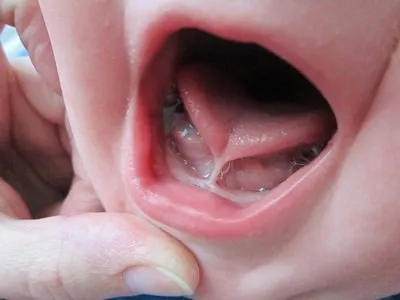
A lingual frenulum is a normal part of the development of the mouth and tongue. A tongue tie is also known as ankyloglossia.

How to prepare for breastfeeding

Planning how to feed your baby is as important as planning your birth.

What is antenatal colostrum harvesting?

It can be really reassuring for families to have a bit of stored colostrum so that their baby can have it as their first feed after birth, if there are any problems getting baby to latch straight away.

6 questions to ask when looking for signs that a baby is breastfeeding well

This is a basic troubleshooting process that a peer supporter or IBCLC will go through with you, if you’re having a feeding assessment.

Top tips for optimal position and attachment

IBCLC Charlotte Treitl shares her top tips for supporting optimal position and attachment in the breastfed baby.

What are feeding cues?

Babies are really clever, they know how to tell us when they’re hungry from birth. Have you ever seen the newborn breastcrawl? (You can see an amazing example of this here. Babies don’t necessarily cry as soon as they are hungry, in fact, crying is the last feeding cue a baby will exhibit, so we want to look for their earlier cues. Whether breast or bottlefed, a newborn baby will show you they are ready for something to eat nearly always as soon as they wake up! Early feeding cues include opening their mouth, lip smacking, turning their head side to side, and bringing their hands to their mouths. These behaviours often become more frantic and exaggerated if we don’t respond to them quickly, and baby will cry to signal that they are now really hungry and really want your attention, so we should offer baby a feed as soon as they show any of these cues. Responsive feeding means responding to the baby’s cues, rather than trying to restrict or schedule feeds. This is best for baby as their tummies are tiny and they like to be fed little and often. At the breast, baby can control their own milk intake, whereas with bottle feeding we need to be a bit more conscious of pacing the feed. With a bottle, give baby frequent breaks to wind them, and hold them upright, with the bottle horizontal to the ground. If baby starts to reject the bottle, turn their head away or spit it out, they have likely had enough to eat for the time being. If we try to get baby to finish this bottle they may then end up overfeeding and become uncomfortable. Overfeeding in infancy can lead to obesity in later life, so it’s really important that we only give babies what they need, when they ask for it. With breastfeeding, responsive feeding also relates to the mother. It’s not possible to overfeed a breastfed baby, because baby is in control of how much milk they take at any time. We would always encourage mums to feed their babies if their breasts are engorged, if mum is feeling overwhelmed, feeling ‘blue’, or simply wants to sit down and have some quiet time with her baby, it is perfectly safe to do so. If your baby is crying and reluctant to feed because they are upset, it’s a good idea to soothe them with rocking, or try some skin to skin to calm them down, before trying to feed them. Babies that are calm will accept a feed much easier than if they are in distress.  

Notifications

Not tongue tied anymore – Mags Kirk’s mission to help as many families as she can 

“It’s not just enough to have a look – you can’t diagnose a tongue tie just from looking. You have to assess how the tongue’s movement impacts feeding.” – Mags Kirk

How to reduce stress at mealtimes: fussy eating tips and strategies (with Stacey Zimmels)

You provide and they decide. You provide the meal, and you trust your child that they know when they are done. They get to choose what they want of what is on offer, and how much they want to eat.

Breastfeeding Information Roundup!

Here is a quick round-up of some of our most popular breastfeeding related posts so you can access everything (or share it with someone!) quickly and easily.

What the heck is mastitis and how can it be prevented?

Photo by Ayla Meinberg on Unsplash

Often mastitis can be treated without the use of antibiotics.

How tongue tie impacts breastfeeding

A lingual frenulum is a normal part of the development of the mouth and tongue. A tongue tie is also known as ankyloglossia.

How to prepare for breastfeeding

Planning how to feed your baby is as important as planning your birth.

What is antenatal colostrum harvesting?

It can be really reassuring for families to have a bit of stored colostrum so that their baby can have it as their first feed after birth, if there are any problems getting baby to latch straight away.

6 questions to ask when looking for signs that a baby is breastfeeding well

This is a basic troubleshooting process that a peer supporter or IBCLC will go through with you, if you’re having a feeding assessment.

Top tips for optimal position and attachment

IBCLC Charlotte Treitl shares her top tips for supporting optimal position and attachment in the breastfed baby.

What are feeding cues?

Babies are really clever, they know how to tell us when they’re hungry from birth. Have you ever seen the newborn breastcrawl? (You can see an amazing example of this here. Babies don’t necessarily cry as soon as they are hungry, in fact, crying is the last feeding cue a baby will exhibit, so we want to look for their earlier cues. Whether breast or bottlefed, a newborn baby will show you they are ready for something to eat nearly always as soon as they wake up! Early feeding cues include opening their mouth, lip smacking, turning their head side to side, and bringing their hands to their mouths. These behaviours often become more frantic and exaggerated if we don’t respond to them quickly, and baby will cry to signal that they are now really hungry and really want your attention, so we should offer baby a feed as soon as they show any of these cues. Responsive feeding means responding to the baby’s cues, rather than trying to restrict or schedule feeds. This is best for baby as their tummies are tiny and they like to be fed little and often. At the breast, baby can control their own milk intake, whereas with bottle feeding we need to be a bit more conscious of pacing the feed. With a bottle, give baby frequent breaks to wind them, and hold them upright, with the bottle horizontal to the ground. If baby starts to reject the bottle, turn their head away or spit it out, they have likely had enough to eat for the time being. If we try to get baby to finish this bottle they may then end up overfeeding and become uncomfortable. Overfeeding in infancy can lead to obesity in later life, so it’s really important that we only give babies what they need, when they ask for it. With breastfeeding, responsive feeding also relates to the mother. It’s not possible to overfeed a breastfed baby, because baby is in control of how much milk they take at any time. We would always encourage mums to feed their babies if their breasts are engorged, if mum is feeling overwhelmed, feeling ‘blue’, or simply wants to sit down and have some quiet time with her baby, it is perfectly safe to do so. If your baby is crying and reluctant to feed because they are upset, it’s a good idea to soothe them with rocking, or try some skin to skin to calm them down, before trying to feed them. Babies that are calm will accept a feed much easier than if they are in distress.  

Notifications

made with