BABYEM BLOGS

BABYEM BLOGS

Offering real value, actionable advice & maybe a little inspiration…

How to Celebrate World Breastfeeding Week 2021

World Breastfeeding Week runs every year from the 1st to the 7th August. This year’s theme for World Breastfeeding Week is Protect Breastfeeding: A Shared Responsibility​. ‘A shared responsibility’ means it’s up to all of us – from breastfeeding parents, to peer support groups, IBCLCs, maternity nurses, GPs, health visitors, nurses, paediatricians, midwives, businesses, employers, friends and communities – to protect breastfeeding. On a global scale, “breastfeeding is one of the best investments for saving lives and improving the health, social and economic development of individuals and nations” (WABA, 2021) Lots of people worry that there’s not much they can do to support breastfeeding. You don’t need to be a peer supporter or a lactation expert or even work with babies or have children of your own to support breastfeeding. Here are some options to consider for how you can take part in World Breastfeeding Week 2021. Engage: Go to a breastfeeding group! If you are a breast or chestfeeding parent, attendng a support group can seem a little daunting at first, especially if you are having problems with breastfeeding. But peer to peer groups can help you troubleshoot feeding problems, and offer you the emotional support you may be looking for. And you don’t need to be having problems to go to a group! Many parents attend breastfeeding groups for the social aspect. Or, if you’re pregnant and hoping to breastfeed, go along and get some information and chat to other parents about their experiences to help you feel more prepared. If you are not a parent, or if your children are grown and flown the nest, whether they were breastfed or not, donate to your local breastfeeding group. Know where they are and how to signpost to them if you meet someone who needs help. Galvanise: Set up your own support group If you don’t have a local support group, start your own! Breastfeeding support is a vital public health responsibility, and together we can make a difference to families who want to breastfeed. Ask in your local facebook group, talk to other families, do some research and see what is available. All you need is a space you can all meet and feet through the door! Breastfeeding groups across the country are held in church halls, community centres, town halls, soft play centres, parks and cafes. Find a space that works for your community and go for it! If you’re not a parent but you are a local business that can help provide this space, go for it! Or be the group’s sponsor! Engage: Take a brelfie! Normalising breast and chestfeeding is so important to help inspire others to breastfeed and change the stigma around breastfeeding in public. Brelfies, or “breastfeeding selfies”, are a great way to show the world how proud you are of your breastfeeding journey. Don’t forget to set it to public and use the world breastfeeding week hashtags (listed at the end of the page!) so others can see it. You never know who may be inspired to give it a go after seeing your great example! If you see someone else sharing their story or their brelfie, leave an encouraging comment to let them know how great they are for being brave and congratulate them for reaching their breastfeeding goals. Breastfeeding is a marathon – we all need people cheering us on as we pass each milestone – your kind comment could be just the thing a parent needs to spur them on to the next stage. Inform: Make or share a social media post in support of World Breastfeeding Week Some people may be too shy to take a brelfie or feel uncomfortable sharing breastfeeding images and that’s ok too. Follow your favourite pages on social media such as @babyemuk and share their World Breastfeeding Week posts. Write about your experience and who supported you and what helped you reach your goals. Telling your story is important – it shows others that breastfeeding is possible and helps build an international community of people who are willing to help protect breastfeeding. Engage: With local organisations. Ask your local café or leisure centre what commitments they will make to being breastfeeding friendly and protecting breastfeeding families. In the UK, the law protects you to breastfeed wherever your baby is legally allowed to be (yes, that includes in the swimming pool!) If you run a local business, join a Breastfeeding Friendly Scheme so that your service users know they are supported to breastfeed in your establishment. If you are an employer, ensure you have a safe space for your staff to express and store their milk, and support them to do so. Employees that are unable to take time to safely express risk mastitis – which is a serious illness – meaning more time off and more hours lost. Protect your employees by supporting their legal right to breastfeed. Galvanise: Talk to your MP and local health services Ask them what they are doing to protect and support breastfeeding both locally and nationally. Consider their responses when it’s time to go to the polls. If they are not going to act in the best interests of public health, do you want to vote for them? Galvanise: Support organisations that help protect parents from dangerous misinformation and industry marketing. Donate to, and support charities such as Baby Milk Action, the Association of Breastfeeding Mothers, First Steps Nutrition Trust, and The Breastfeeding Network and the World Alliance for Breastfeeding Action (WABA) . Your donations to these organisations help them provide vital support for families, invest in breastfeeding programmes, and provide essential services and information that help parents continue to breastfeed. #WBW2021 #WABA #ProtectBreastfeeding #SharedResponsibility #breastfeeding #SDGs #worldbreastfeedingweek2021 #ProtectBreastfeedingaSharedResponsibility #protectbreastfeedingtogether #buildingbackbetter #warmchain4breastfeeding #breastfeeding4publichealth

Read More »

5 Breastfeeding Books Recommended by IBCLCs

Here are 5 breastfeeding books recommended by IBCLC & Infant Feeding Specialist Shel Banks and IBCLC & Tongue-tie Specialist Sarah Oakley  THE POSITIVE BREASTFEEDING BOOK: EVERYTHING YOU NEED TO FEED YOUR BABY WITH CONFIDENCE BY PROFESSOR AMY BROWN Synopsis – The Positive Breastfeeding Book cuts through the anecdotes, giving you clear, no-judgement, non-preachy, evidence-based information to help you make the right decisions for you and your baby. It will help you understand how breastfeeding works, and supports you in developing strategies to make sure that whilst you’re looking after the baby, you’re getting taken care of too. Jam-packed with everything you ever wanted to know about breastfeeding (and a whole lot you never knew you did!), it will take you through tips for planning for your baby’s arrival, coping with those early months, and knowing what to do and where to seek help if challenges come up. It will guide you through feeding in public, going back to work, and even rediscovering a glass of wine. Buy here. YOU'VE GOT IT IN YOU: A POSITIVE GUIDE TO BREAST FEEDING BY EMMA PICKETT Synopsis – You may be worried about breastfeeding and worried that it might ‘not work’. This is a common feeling when you live in a society where breastfeeding is often sabotaged by incorrect information, patchy support from a stretched health service and powerful messages from formula companies. But it’s not a feeling that is entirely logical. We are mammals. We get our name from the dangly milk-producing bits. It defines us. Emma wrote this book because she would like you to be as well-prepared as possible. She would like you to breastfeed for as long as you want to and as happily as possible. Some of this new life with baby will be about flexibility and responsiveness and acceptance. If you are used to a world of schedules and decisions and goals, it may be a bit of a shock. Learn about human biology before you think it sounds bit too scary. Babies are the products of millions of years are evolution and we are too, if we can just tap into our instincts and trust them a little bit. Success comes when we tap into those instincts and when we know when to get help when our instincts aren’t answering all of our questions. Can everyone who wants to breastfeed make it work? No. It may not work out for every single person. Not everyone may be able to exclusively breastfeed due to medical issues. Most of these people can give their baby breastmilk though and I’ll talk this through as well. And let’s not start this journey by imagining you’ll be someone who won’t make it. Buy here. BREASTFEEDING UNCOVERED: WHO REALLY DECIDES HOW WE FEED OUR BABIES? BY PROFESSOR AMY BROWN Synopsis – Across the world mothers are urged to breastfeed, but in Western society many find this a difficult task. Those who stop can feel demoralised and unsure as to why such a desired, encouraged and biologically normal behaviour can appear so challenging in reality. Breastfeeding Uncovered examines why this continues to happen, revealing how complex social and cultural messages work against new mothers, damaging the normal physiology of breastfeeding and making it seem unmanageable. Professor Brown removes the focus from the mother and instead urges society to rethink its attitude towards breastfeeding and mothering and instead to support, encourage and protect mothers to feed their babies. This book is for anyone who has ever struggled with breastfeeding, supported new mothers or just wondered what all the fuss is about. Most of all it is a must read for anyone who has ever thought a breastfeeding mother should cover up, or feed her baby elsewhere. Buy here. SUPPORTING SUCKING SKILLS IN BREASTFEEDING INFANTS BY CATHERINE WATSON GENNA  Synopsis – Supporting Sucking Skills in Breastfeeding Infants, Third Edition is an essential resource for healthcare professionals working with new mothers and infants. Using a multidisciplinary approach, it incorporates the latest research on infant sucking and clinical strategies to assist infants with breastfeeding. With an emphasis on skills, it focuses on normal sucking function in addition to difficulties based in anatomical, cardiorespiratory, neurological, or prematurity issues. Completely updated and revised, the Third Edition explores new clinical strategies for facilitating breastfeeding, more conditions, and the latest guidelines. Throughout the text, numerous photos make techniques and recommended strategies easier to understand and replicate. Buy here. Breastfeeding and Medication by Dr Wendy Jones. Synopsis – This illustrated guide is an essential book for anyone supporting families with breastfeeding. Often, parents worry that they will need to stop taking their medication, or are mislead by well-meaning healthcare providers – or the packaging itself – that says they should cease breastfeeding when using certain medication. Dr Jones' work has been instrumental in guiding families and healthcare providers to what is safe when breastfeeding, and how to balance associated risks for and against taking certain medications. For many families, stopping breastfeeding prematurely is devastating. For others, it is necessary to be able to engage in life saving medical treatments. Having the right information to support these decisions is crucial for making the right decision for their circumstances. Buy here.  

Read More »

BOOKKEEPER Synonyms: 13 Similar Words

Highly organized and professional office manager bookkeeper with strong accounting knowledge and numerical ability. Of course when the farm business becomes very large and intricate, an elaborate bookkeeping synonym system of bookkeeping is necessary. Power, unaccustomed as yet to the methods of financial bookkeeping, turned to the latest column, and saw unearned revenue a row of figures.

Read More »

The Answers To 3 Huge Questions About Tongue-Tie

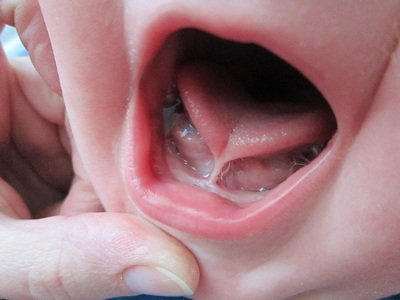
Tongue-tie comes in two forms (Anterior tongue-tie or posterior tongue-tie). Well, it does not matter which a baby has; both offer similar problems to the baby by restricting the movement of the tongue. Therefore, what is the difference between the two?

Read More »
COLIC REFLUX INFANT ALLERGIES COURSE FEATURE IMAGE

A Quick Look At Reflux

Physiological reflux – Exactly what is it?

If you've ever wondered what is reflux, it is basically when things go in the wrong direction within a valve. Therefore, it is possible for reflux to happen in many thing from your stomach and kidneys to even your car engine!

Read More »